How Gunpowder from an Olive Oil Press Went Olympic: The Story of B&P Cartridges
B&P cartridges are well known at clay-target ranges. But it all began in 1885 near Bologna, where a hunter and a chemist ground powder on an olive oil press. We…
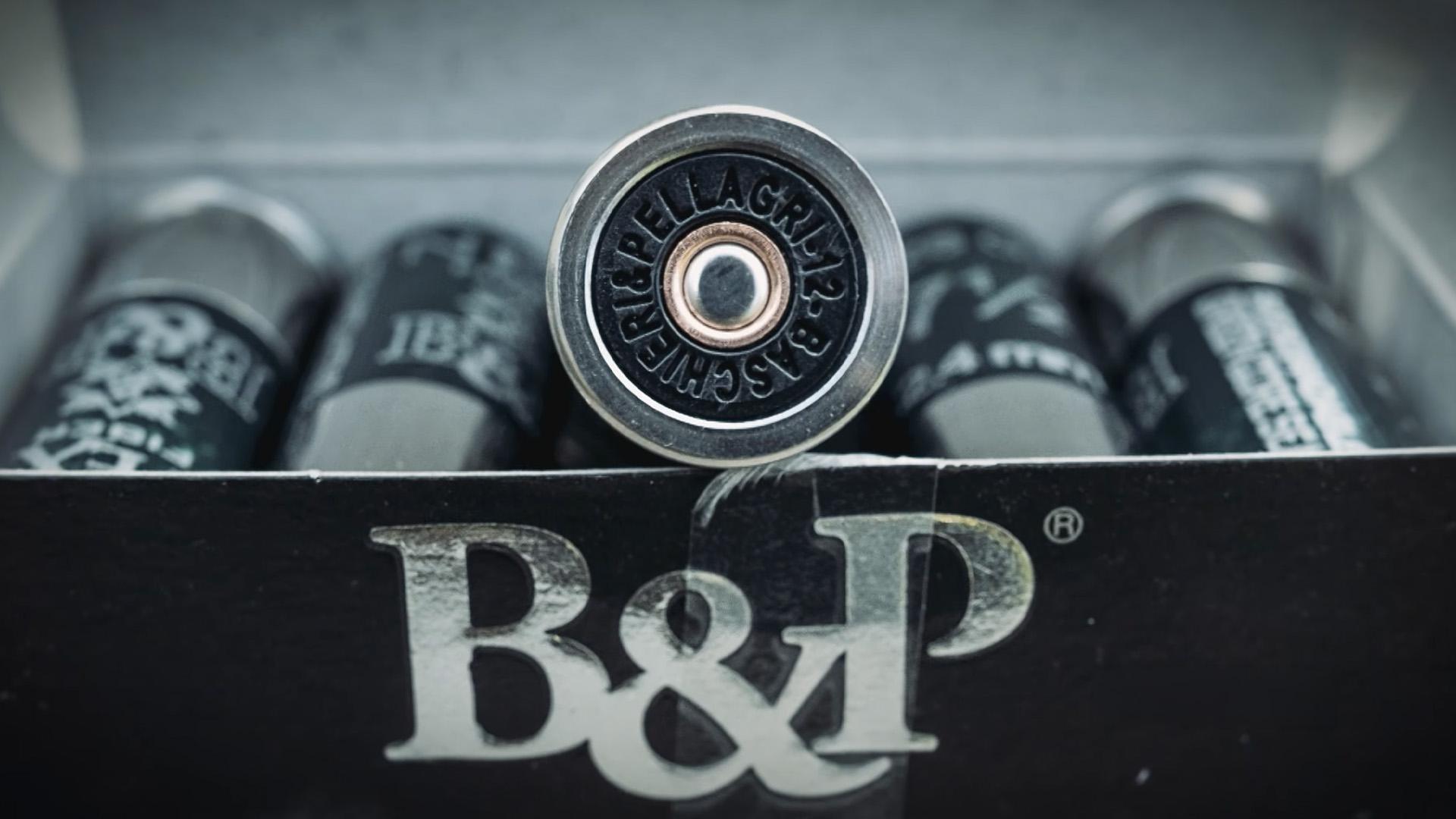
B&P cartridges are well known at clay-target ranges. But it all began in 1885 near Bologna, where a hunter and a chemist ground powder on an olive oil press. We tell how that grew into a brand with Olympic medals, and what shells for Ukraine have to do with it.
The occasion was a report by American Rifleman TV: American journalists visited the Baschieri & Pellagri plant and showed how powder and cartridges are made there.
A Hunter, a Chemist and an Olive Oil Press
At the end of 1885 in Marano di Castenaso, ten kilometres from Bologna, two men began testing a new powder. Settimio Baschieri was a hunter and estate owner, Guido Pellagri a chemist. They wanted to get rid of the main flaw of the black powder of the day: after a shot, a grey cloud hung in the air, hiding the target and giving the shooter away.
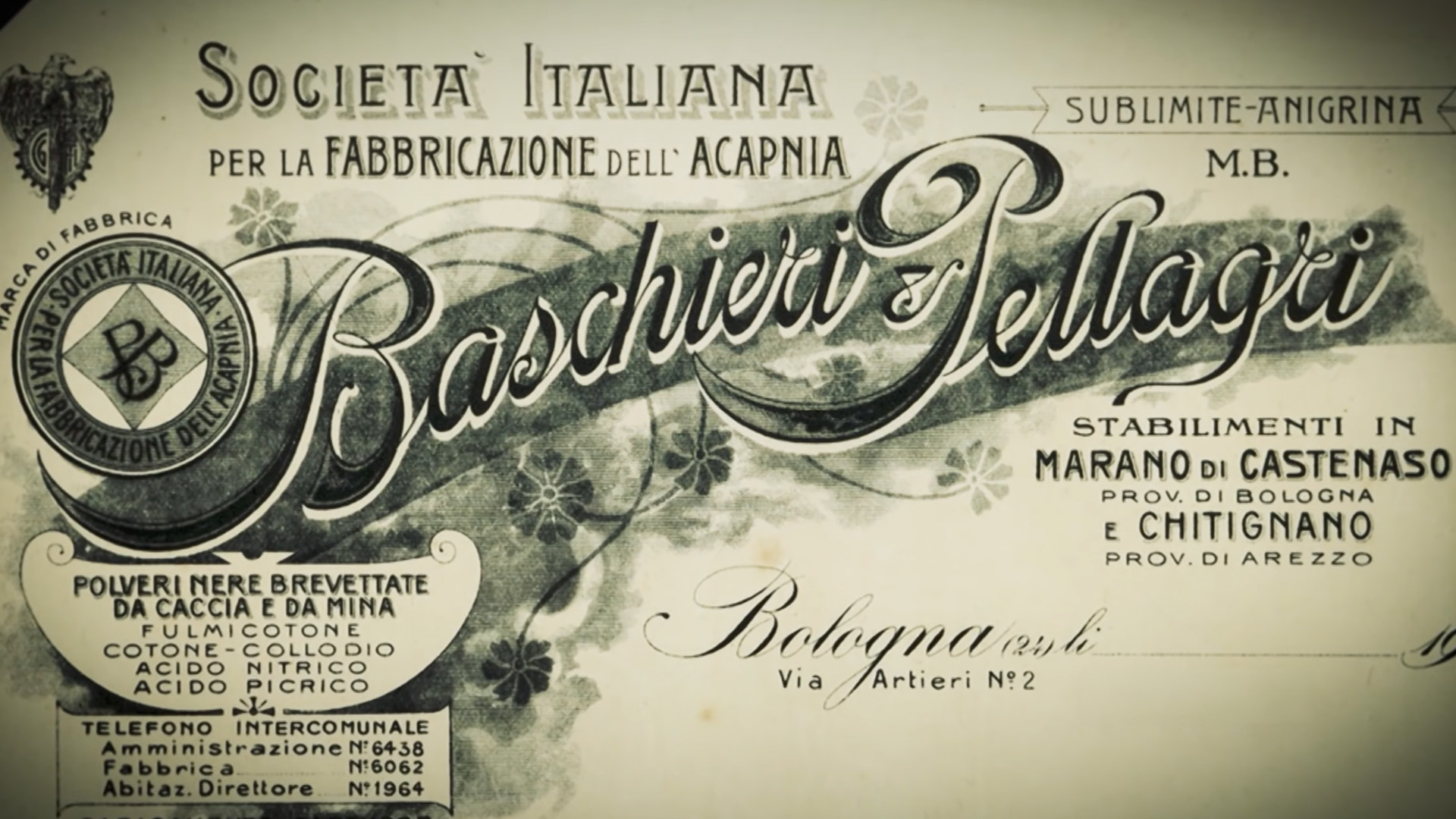
An old Baschieri & Pellagri letterhead: “Italian Company for the Production of Acapnia”, with plants in Marano di Castenaso and Quitignano. Photo: B&P.
Their first machine was an olive oil press with stone millstones. It still stands on the plant grounds. In 1886 Acapnia, the first Italian smokeless powder, came onto the market. The name is Greek and means “without smoke”. The B&P plant still operates today in the same Marano di Castenaso.
From Powder to Its Own Cartridges
For the first decades the company's main product was powder. In the 1920s it built its own range for testing powders and cartridges, which was a rarity for a private firm at the time.
Its own cartridges appeared in the 1930s and 1940s. Two of them, MB Tigre and MB Tricolor, are still sold today. The letters MB are the initials of Maria Baschieri: the company traditionally named its powders after family members.
In the 1950s and 1960s B&P took up clay shooting. It began supporting strong shooters, set up industrial loading of cartridges and took on the plastic wad-container. The company still makes every part of the cartridge itself, starting with the hull, says Francesco Scaramuzzi, head of its technical department.
Gordon: A Hull That Absorbs Recoil
B&P's main invention is the Gordon system. It was developed in the 1970s, patented in 1989 and put into mass production in the 1990s.
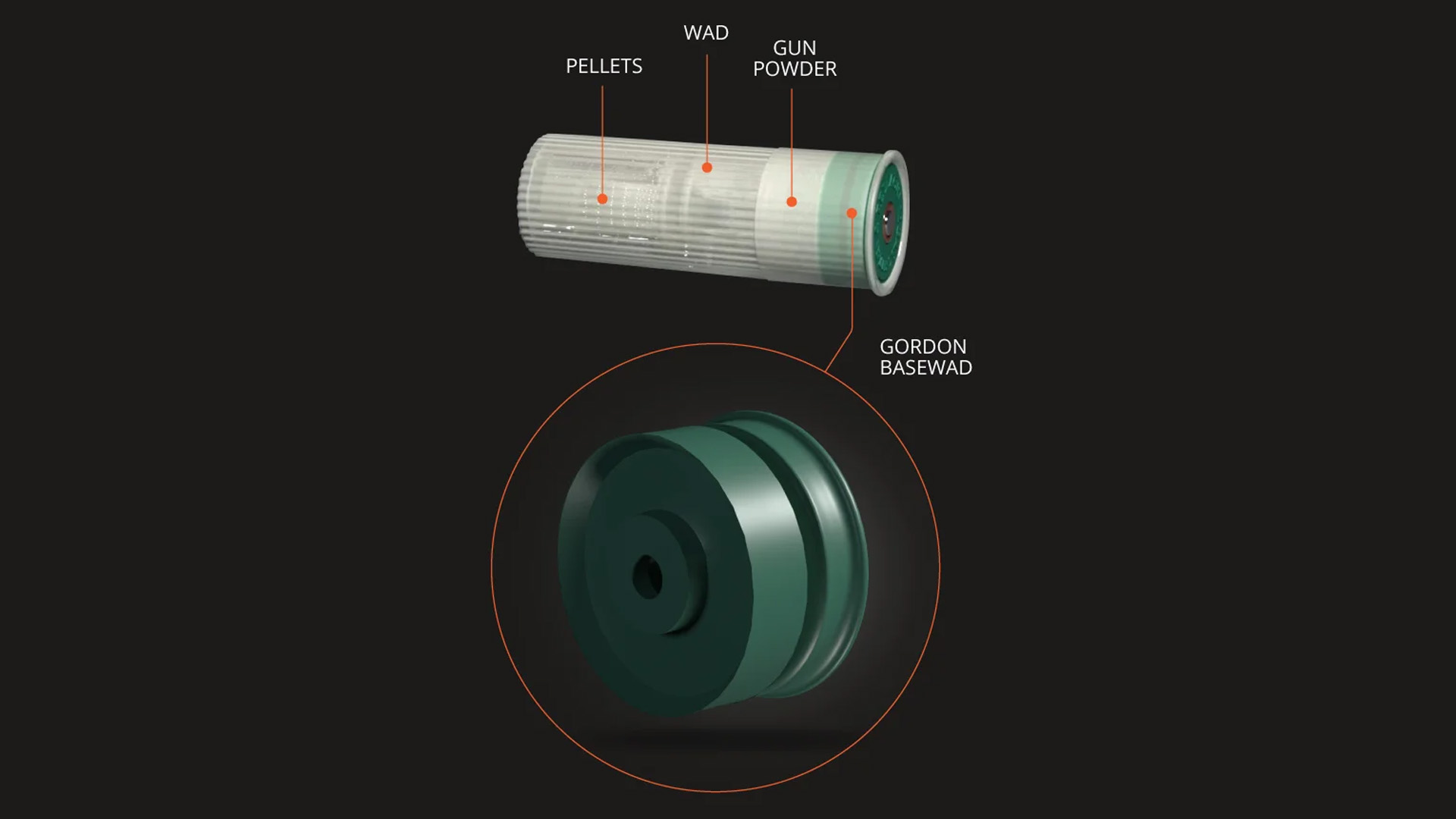
A cross-section of a B&P cartridge. The green part near the base is the Gordon base wad. Image: B&P.
Before that, the hull simply held the charge. In Gordon the base of the hull is made differently, and a springy wad was added to it. According to the head of the technical department, together they work as a double spring and take away part of the recoil that goes into the shooter's shoulder. The company itself calls Gordon the only true revolution in the history of the hull.
Olympic Medals
The brand has 14 Olympic medals to its name. B&P cartridges won at the Games of 1972, 1980, 2000, 2008 and 2012, and it began even earlier.
In 1964 in Tokyo, Italy's Ennio Mattarelli won trap gold with an Olympic record: 198 targets out of 200. He shot cartridges loaded with the new F2 powder, and this very victory made the powder famous. He died in August this year, aged 98.
Among its Olympic champions the company names three more Italians. Luciano Giovannetti won trap twice in a row, in 1980 and 1984. Ennio Falco took gold in skeet in 1996, and Chiara Cainero did so in 2008.
Who Owns B&P Today
In October 2020 B&P was bought by another well-known Italian cartridge company, Fiocchi. Fiocchi itself belongs to the Czech group CSG: in 2022 the Czechs took a 70% stake, and since 15 April 2025 they have owned it fully.
At the end of 2024 CSG also bought the American The Kinetic Group, whose brands are Federal, Remington, CCI, Speer and HEVI-Shot. So the plant near Bologna now works in the same group as the best-known American cartridge makers.
What Else to Know
- A wad that decomposes. In March 2022 at the IWA show in Nuremberg, B&P presented Green Core, a wad that decomposes fully in nature. It was developed together with the University of Bologna. According to the company, the wad is broken down by bacteria found in nature and leaves no microplastics. For now it is made only for 12 gauge.
- Shells for Ukraine. CSG is the largest participant in the Czech “ammunition initiative”. Jan Hamáček, the group's director of external relations, told LIGA.net in December 2025 that CSG supplied Ukraine with 1.5 million shells in 2024 and another 1.2 million in less than the whole of 2025. In addition, under a CSG licence the company Ukrainian Armored Vehicles began producing 155 mm and 105 mm shells in Ukraine.
- A record listing. On 23 January 2026 CSG listed its shares on Euronext in Amsterdam and raised €3.8 billion. The group was valued at €25 billion, and Euronext called it the largest listing of a defence company in history. CSG's 2025 revenue was €6.7 billion, and the group employs more than 14,000 people.
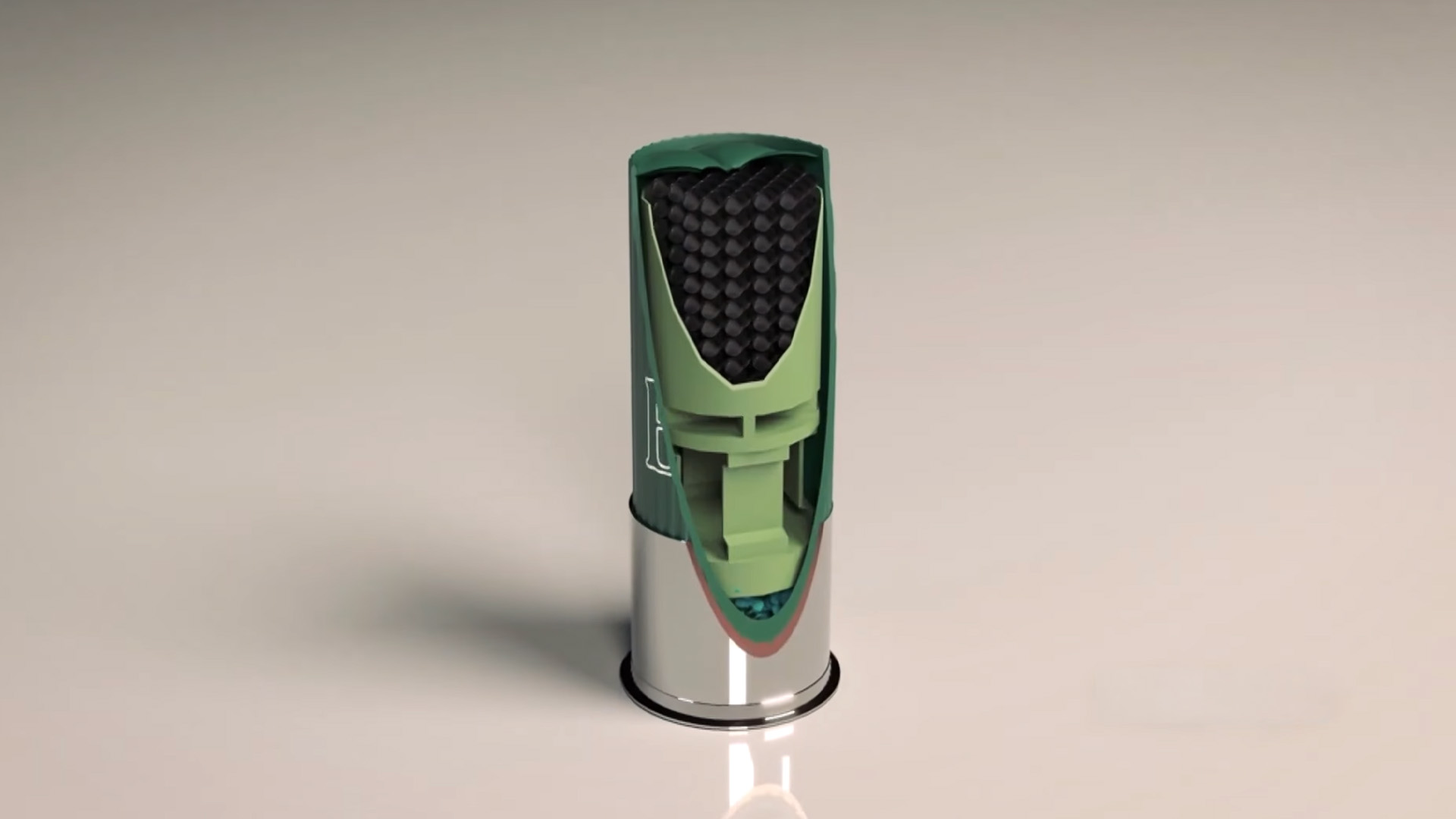
A cross-section of a cartridge with a Green Core wad that decomposes in nature. Image: B&P.
Sources: Shooting Sports USA, American Rifleman, CSG, Euronext, LIGA.net, B&P blog, American Hunter, all4shooters, Caccia Passione.